



- Notizie
Register now for the 26th Swiss Global Change Day
Immagine: SCNAT1/13- 2025
- Relazione
Saisonale Energiespeicherung im Überblick (Grundlagenbericht)
Immagine: CC-BY-NC-ND2/13- 2025
- Rivista
ProClim Flash 81 : Captage et Stockage du CO2 – Situation actuelle et potentiel des nouvelles méthodes
Immagine: Climeworks3/13- Comunicato stampa
Zukunftsbilder zeigen klimaneutralen Kanton Luzern
Immagine: Patricia Binggeli, Gemeinde Emmen4/13- 2025
- Rivista
ProClim Flash 80: Une question de droit et de justice – le rôle de la justice dans le changement climatique
Immagine: Miriam Künzli / Greenpeace5/13- Notizie
Checking in with … Regina Betz
Immagine: Die Volkswirtschaft6/13- Notizie
How is the Graz Charter changing climate communication in the DACH region?
Immagine: SCNAT7/13Meeting Report 25th Swiss Global Change Day
Immagine: Andres Jordi, SCNAT8/13- Notizie
62nd Plenary Meeting of the Intergovernmental Panel on Climate Change: The Area of Tension between Science and Politics
Immagine: IISD-ENB - IPCC62 - Switzerland - Anastasia Rodopoulou9/13- Notizie
Checking in with… Géraldine Pflieger
Immagine: Andres Jordi, SCNAT10/13- 2024
- Foglio informativo
Risques majeurs et questions en suspens liés à la modification du rayonnement solaire comme mesure climatique
11/13- Notizie
Zukunftsbilder für einen klimaneutralen Kanton Luzern
Immagine: Johan Nöthiger12/13- 2024
- Relazione
Planifier le développement des énergies renouvelables en tenant compte de la biodiversité et du paysage
13/13
Notizie

La Suisse face au changement climatique : les bénéfices d’une action rapide
Avec une politique climatique plus cohérente et plus visionnaire, la Suisse pourrait limiter les risques tout en saisissant les opportunités d’un développement durable, tant au niveau national qu’international, selon le rapport « Coup de projecteur sur le climat suisse » publié jeudi par l’Académie suisse des sciences naturelles. Une action rapide apporterait de nombreux avantages.
Immagine: Marina Bräm
26th Swiss Global Change Day
The Swiss Global Change Day is the annual event organised by ProClim where well-known experts present challenges and highlights of climate and global change research covering a broad range of topics. It is also an opportunity to present research results through posters and to discuss them with colleagues.
Immagine: SCNATSpotlight on climate in Switzerland 2026
Where does Switzerland stand in addressing climate change? The latest report from the Swiss Academies of Sciences (SCNAT) provides an answer to this question. It also assesses future risks associated with climate change and presents a wide range of scientifically proven, effective options for climate protection and adaptation.
Immagine: ProClim
Newsletter on climate and energy No 03
The Newsletter on climate and energy provides monthly updates on current developments in research, policy and practice in the fields of climate and energy. It brings together scientific publications, presents relevant news, and highlights events and calls. The newsletter is aimed at professionals as well as anyone interested in climate and energy topics.
Immagine: ProClimNewsletter on climate and energy No 02
The Newsletter on climate and energy provides monthly updates on current developments in research, policy and practice in the fields of climate and energy. It brings together scientific publications, presents relevant news, and highlights events and calls. The newsletter is aimed at professionals as well as anyone interested in climate and energy topics.
Immagine: ProClimContatto
SCNAT
Forum per il clima e i cambiamenti globali (ProClim)
Casa delle Accademie
Casella postale
3001 Berna
Notizie dalla rete
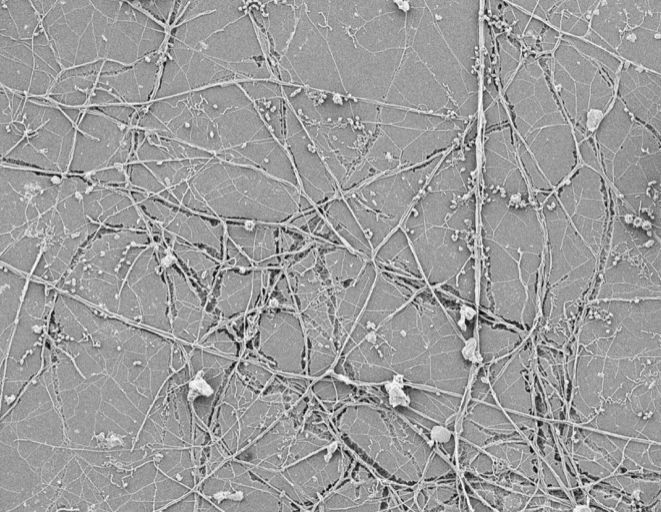
Understanding human behavior and the role of science in a changing climate
Speaker: Dr. Viktoria Cologna, Group Leader, Climate and Societal Change, Department Environmental and Social Sciences, Eawag
Immagine: EAWAG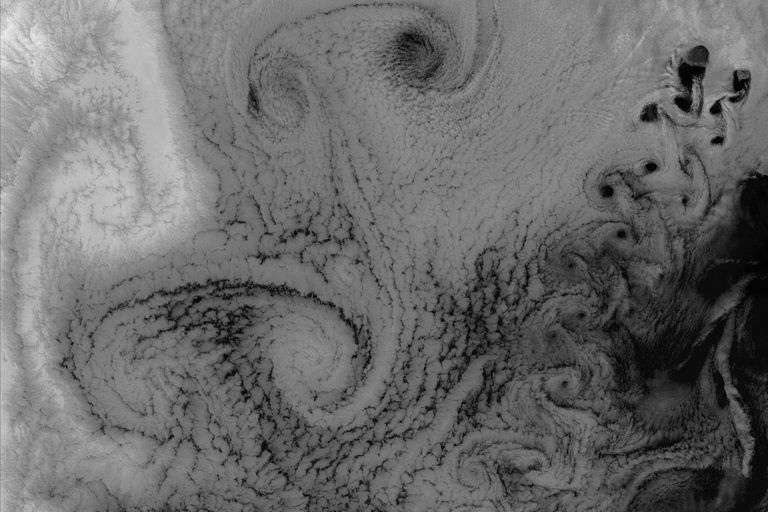
Der Ozean als Klimapuffer
Ein Vortrag von Prof. Dr. Thomas Fröhlicher, Physikalisches Institut, Universität Bern
Immagine: NASA
Les systèmes de compensation carbone
Le cycle de conférence du cours de master interdisciplinaire en changements climatiques traitent des grands enjeux climatiques actuels en croisant les perspectives de différentes disciplines. Les conférences durent environ 45 minutes
Immagine: Christoph RitzLa Suisse face au changement climatique : les bénéfices d’une action rapide
Avec une politique climatique plus cohérente et plus visionnaire, la Suisse pourrait limiter les risques tout en saisissant les opportunités d’un développement durable, tant au niveau national qu’international, selon le rapport « Coup de projecteur sur le climat suisse » publié jeudi par l’Académie suisse des sciences naturelles. Une action rapide apporterait de nombreux avantages.
Immagine: Marina Bräm26th Swiss Global Change Day
The Swiss Global Change Day is the annual event organised by ProClim where well-known experts present challenges and highlights of climate and global change research covering a broad range of topics. It is also an opportunity to present research results through posters and to discuss them with colleagues.
Immagine: SCNAT