Inside the IPCC Cities Report: Become part of the Review
The IPCC is currently looking for experts to review the IPCC Special Report on Climate Change and Cities, which will be published next spring. Maybe, you could be a reviewer, too: anyone with the relevant expertise can register, no matter whether you are an academic, government member, city administrator, or NGO worker. Never fully understood the IPCC process ? Unsure how to participate ? Or simply curious what this new report will be all about ? Then continue reading.
SR Cities in a nutshell
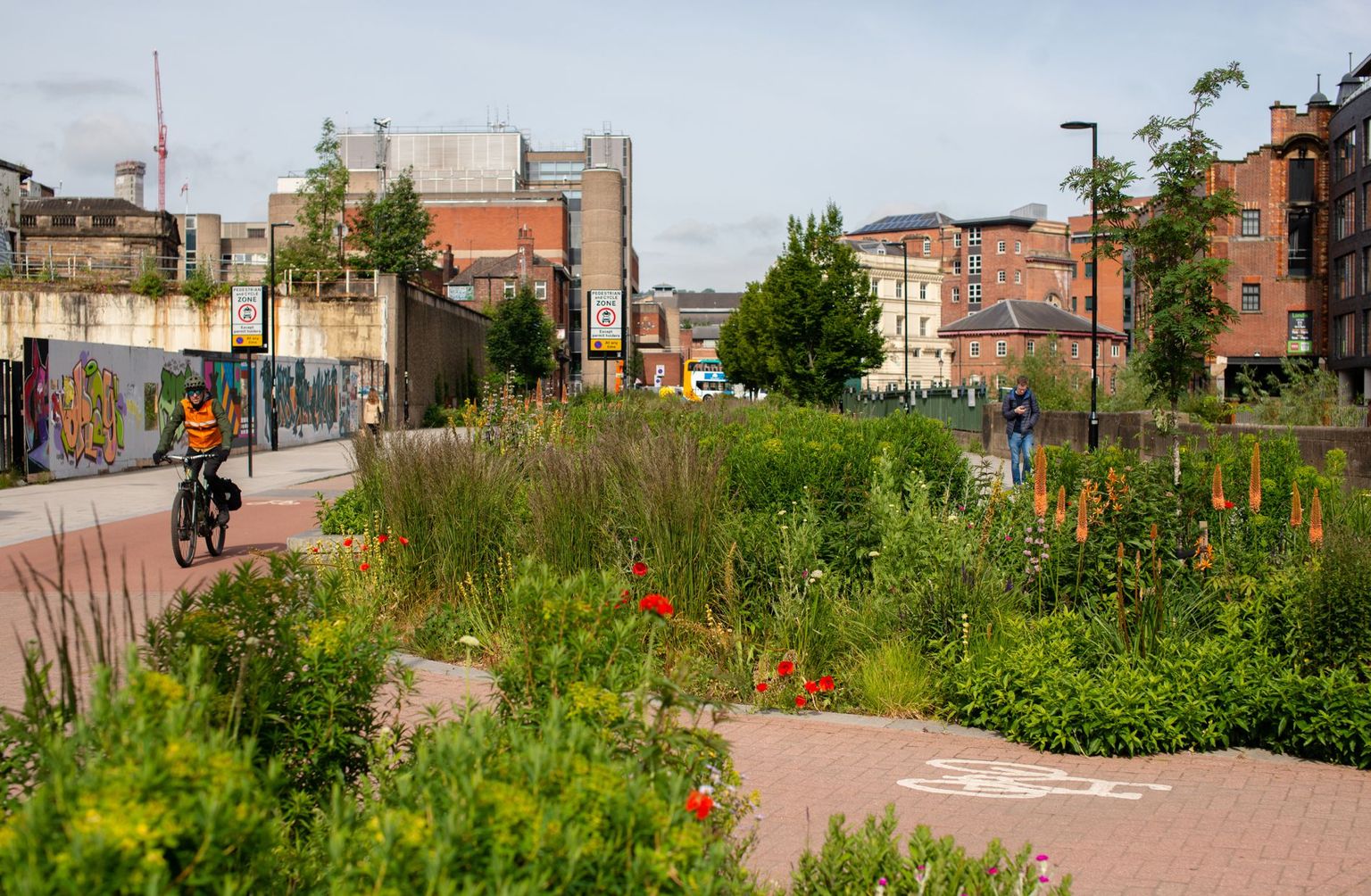
The IPCC Special Report on Climate Change and Cities (in short: SR Cities) is a major global scientific assessment dedicated to understanding how cities contribute to and are critical actors in addressing climate change. This report is scheduled to be published as the first report of IPCC’s seventh assessment cycle in March 2027.
Chapter 1 of the report highlights cities’ dual role as major sources of greenhouse gas emissions and as highly vulnerable areas exposed to climate change impacts. The chapter also discusses issues of equity, justice, urban vulnerability, and sustainable development.
Chapter 2 examines climate trends, urbanization, and emission pathways, as well as the impacts of climate change on infrastructure, ecosystems, health, and societies. It also treats complex and cascading risks, adaptation challenges, as well as the interaction between cities and broader global developments.
Chapter 3 presents mitigation and adaptation solutions for cities, including measures related to energy, buildings, transport, urban planning, and nature-based approaches. The chapter evaluates the effectiveness, feasibility, and trade-offs of different strategies for climate-resilient and low-carbon urban development.
Chapter 4 focuses on how to facilitate change. It looks at the governance, financial systems, innovation, and societal conditions required to accelerate urban climate action. It emphasizes the importance of political leadership, inclusive decision-making, climate finance, and social justice in enabling transformative change.
Chapter 5 provides case studies and solution-oriented insights tailored to different city types and regions, taking into account varying climatic, economic, and social conditions. The chapter highlights context-specific pathways for climate adaptation, resilience, and emissions reduction.
If you want to know more about the content of the report, please find a detailed overview of the report outline here.
Progress on this report made so far
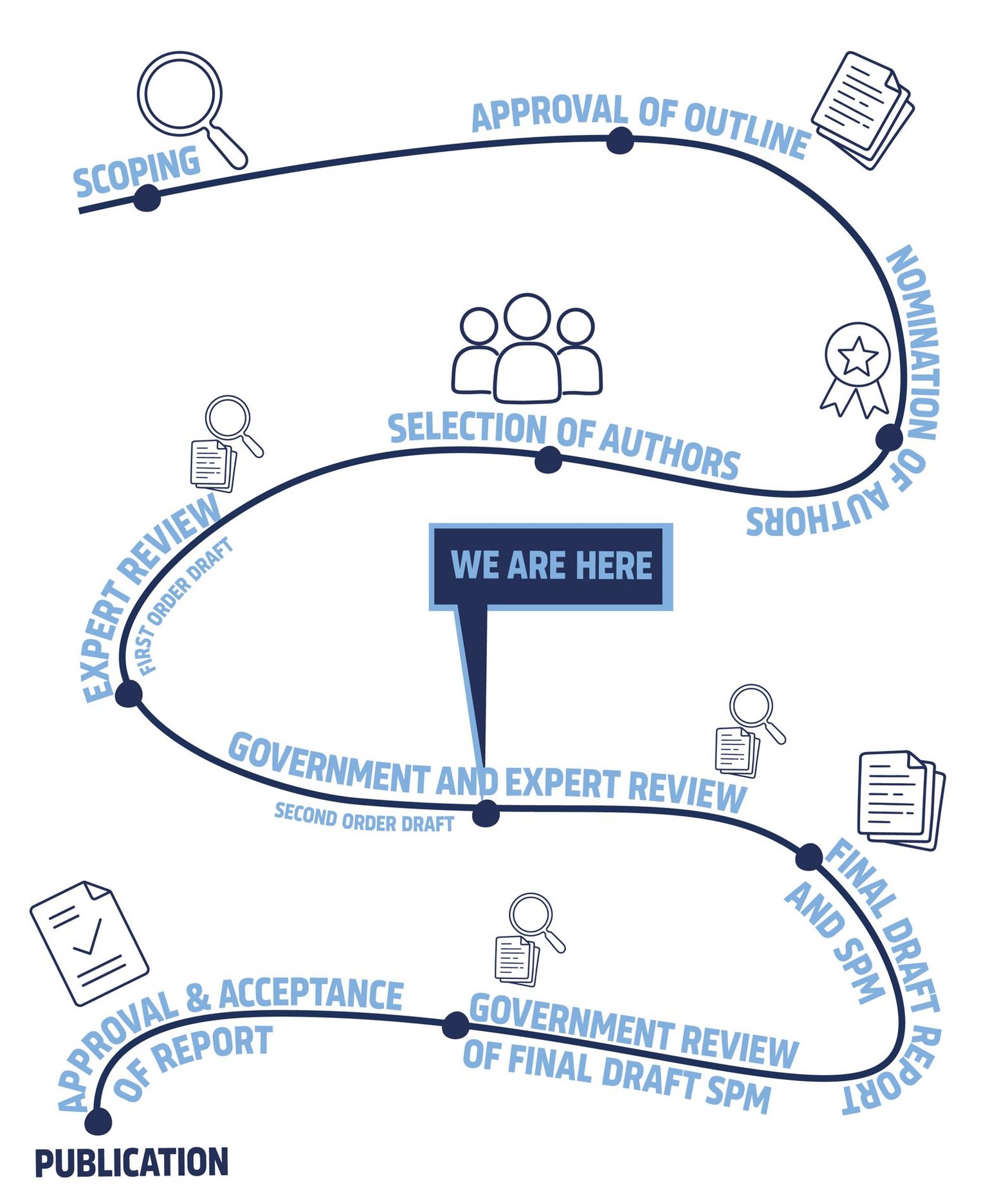
The first draft of any IPCC report is prepared by the authors based on scientific, technical and socio- economic literature in scientific journals and other relevant publications. This First Order Draft (FOD) of the SR Cities underwent an initial expert review that ended in December 2025. Authors of the report went through all the review comments and revised their chapters based on them. They result is a Second Order Draft (SOD) that is now open for experts and governments to review. The SOD also includes the first draft of the Summary for Policymakers (SPM), a short, high-level version of the report addressing governments and decision-makers.
Next steps
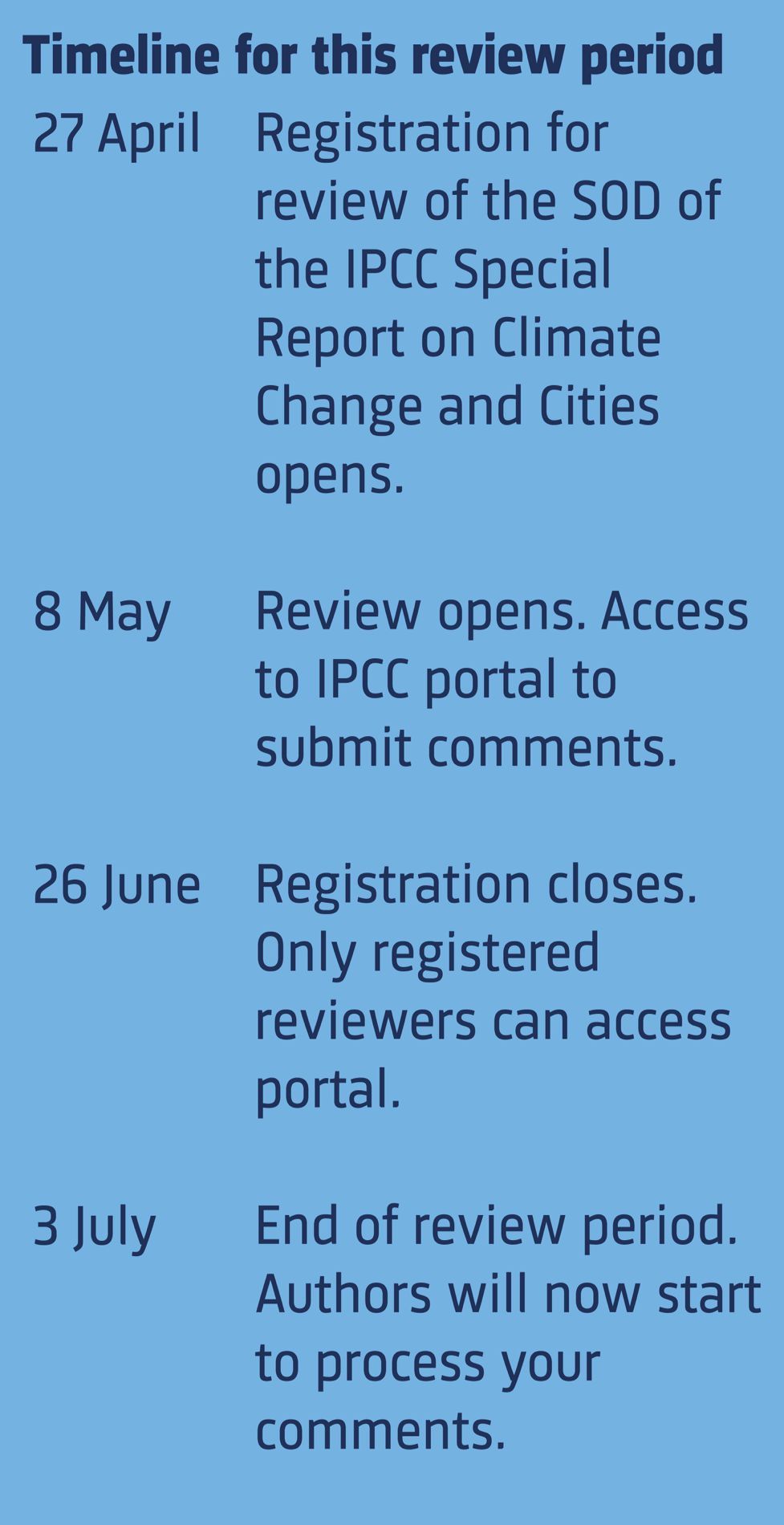
Registration is now open for the review of the SOD of the Report: https://apps.ipcc.ch/comments/srcities/
After the review period of the SOD ends on 3 July, author teams will prepare final drafts of the full report and SPM, taking into account the review comments received. The final draft of the report will be distributed to governments for a final round of written comments on the SPM, before governments meet in a plenary session to approve the SPM line by line and accept the underlying report. This means that for non-governmental experts, now is the last opportunity to review the report!
Curious to know more? Find here a detailed explanation of the review process.
Can I be a reviewer?
Anyone with relevant expertise, whether from academia, government, city administration, NGOs, or professional practice, can participate in the review process!
During every review period, access to the current draft of the report is provided to those who register as Expert Reviewers. These drafts may not be cited, quoted or distributed at this stage.
Experts can:
- Comment on the structure and comprehensiveness of the report,
- Suggest improvements on presentation of materials graphically or through tables
- Propose revisions, relevant additional papers with full citation, or shorten text without losing relevant information
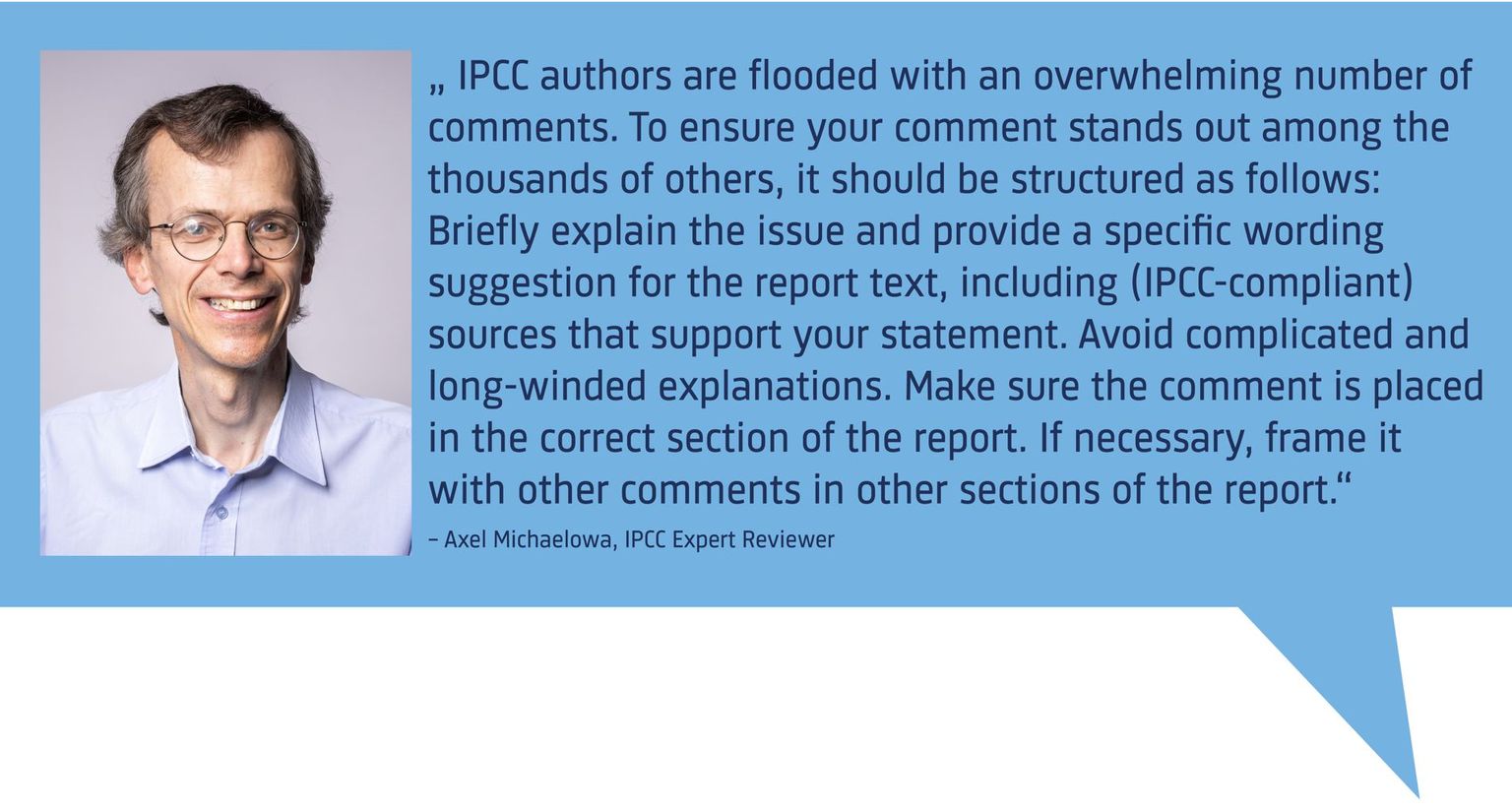
All comments submitted through the review process are addressed by authors, and a written response is provided to each comment. Comments will be considered in the subsequent draft of the report and will be published in the final report along with the responses. All Expert Reviewers will also be listed in an annexure to the final report.
Interested in becoming an Expert Reviewer for the SR Cities? Then register here until 26 June: https://apps.ipcc.ch/comments/srcities/. Your review helps to improve the quality of the final report and to ensure that every important aspect at the nexus of the topics climate change and cities is considered. The authors are looking forward to receiving your comments!