
Meeting Report 26th Swiss Global Change Day
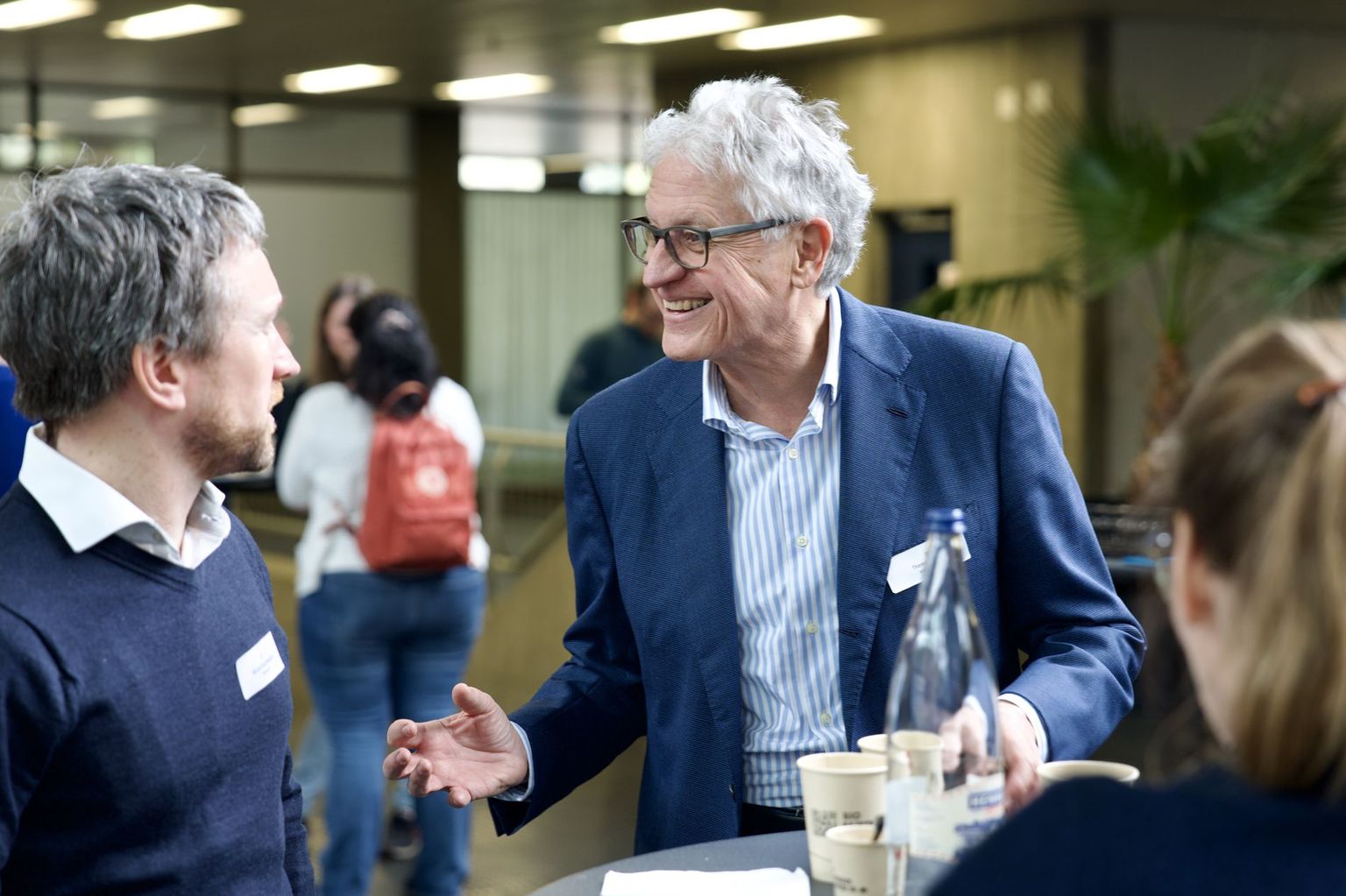
When the people start queuing at around 8.45 o’clock on this crispy spring morning, we are really excited that so many people from the climate and global change bubble have found their way to the freigymer for the 26th edition of the Swiss Global Change Day. There are many familiar faces, some of them are well-known names in the national and international climate community. But there are also young and new participants, poster rolls on their back, who are ready to give us insight into their research projects and receive feedback on their work from some of the world-leading researchers. Exactly this mix of generations and disciplines within climate change research is part of the DNA of the Swiss Global Change Day.

Once everyone has fetched their cup of coffee to make the last bit of tiredness go away, the bell interrupts all small talk to remind everyone it’s time for the official start of the event.

Some people were already here for the first edition of the Swiss Global Change Day 26 years ago. So was Karin Ingold, as she mentions in her welcome address. She continues to set the scene: It was the year 2000, the ratification of Kyoto Protocol had recently happened, Switzerland finally had a CO2 Act. Back then, it seemed like things were progressing, mitigation was high on the political agenda.
Fast forward to here and now, this unfortunately seems to be much less of the case. The Russian invasion into Ukraine four years ago, and the currently ongoing tensions in the Middle East were an impressive testimony to our strong dependence on global oil and gas supplies, as Ingold points out. It also makes blatantly apparent that geopolitical power depends on who owns, transports and distributes oil and gas. «What does this mean for us in the room as an interdisciplinary climate research community?», asks Karin Ingold.

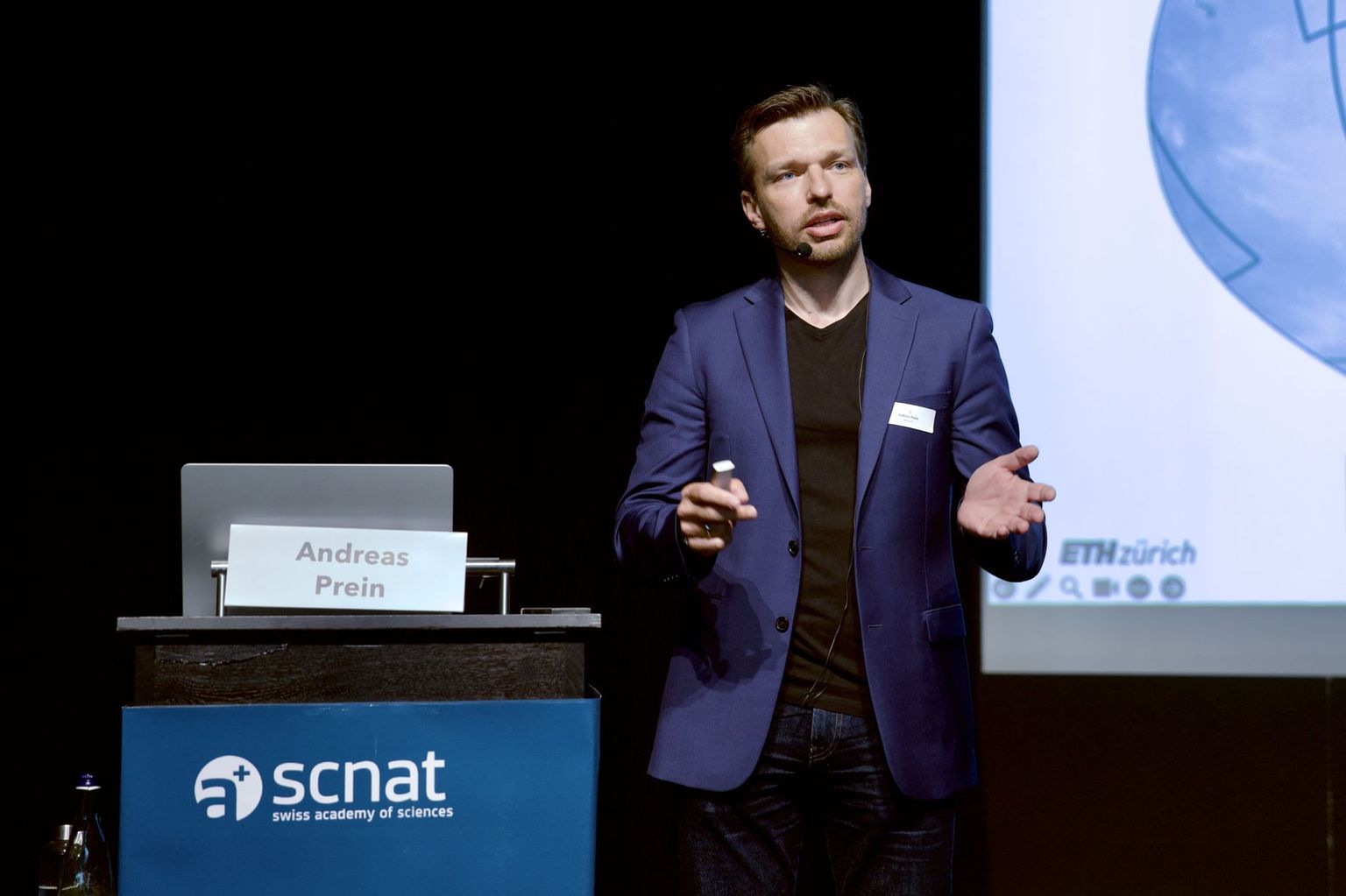
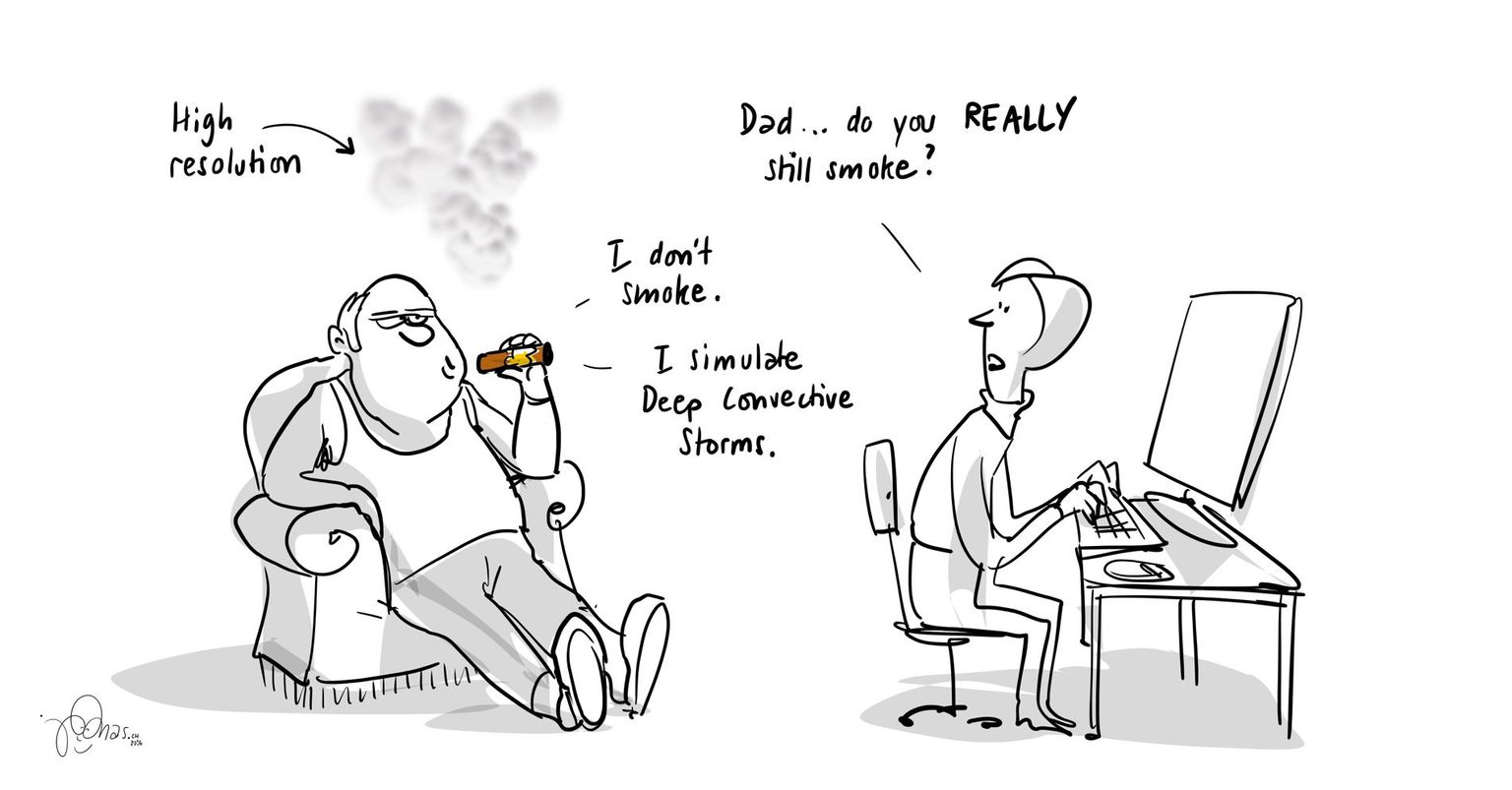
The next person to take the stage is the renowned high-resolution climate modeller Andreas Prein. He gives the non-modellers in the room a captivating introduction into how climate models work and points out the importance of different model resolutions. His keynote then focuses on a new generation of climate models currently being used within his research projects, which enable to simulate mesoscale processes, e.g. storms, much better. This is insofar socially relevant as it can help to predict flooding and preventive measures can be taken. While highlighting the progress that has been made recently in the world of climate models, he makes sure to also mention the downfalls of different types of climate models and model resolutions.

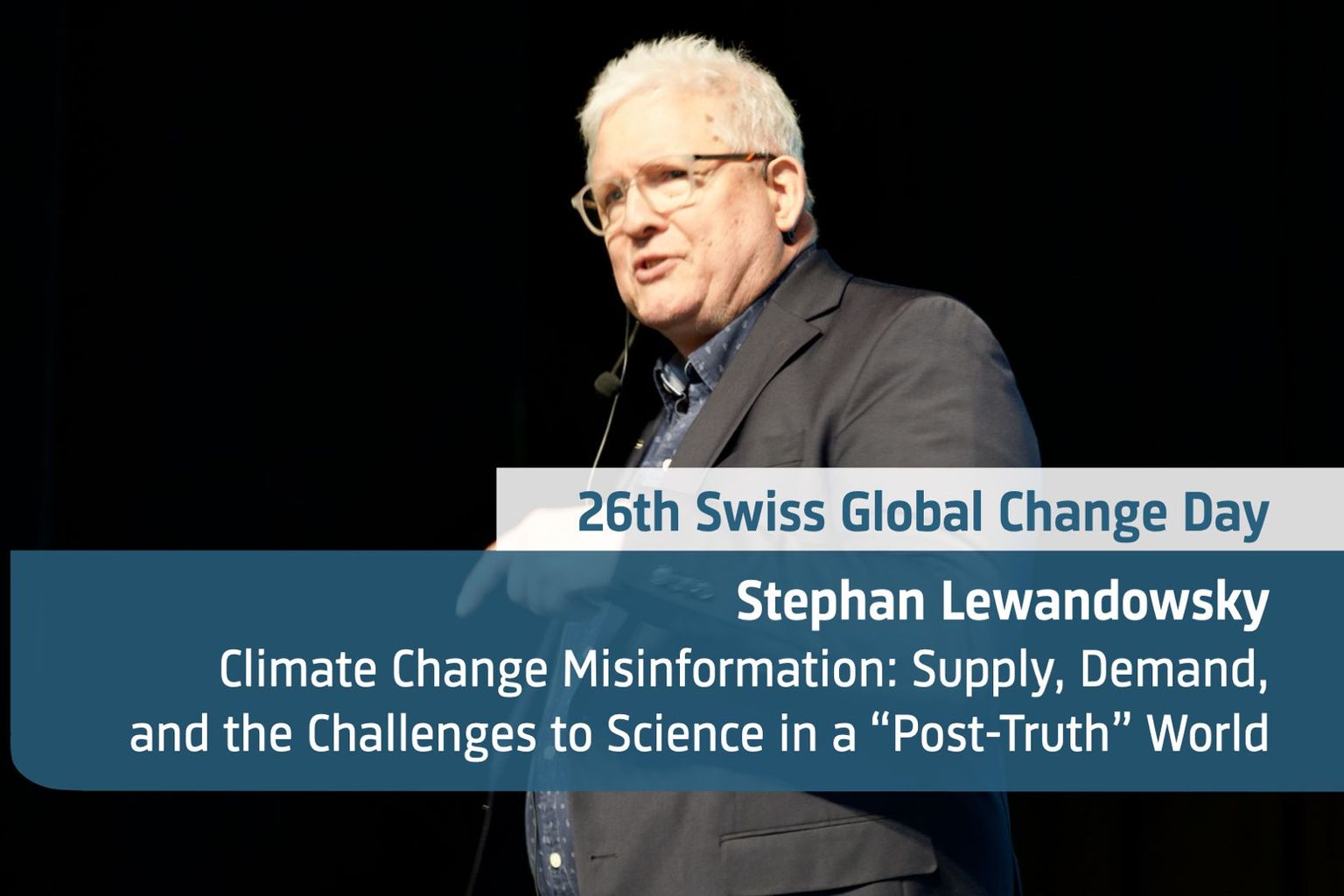
Prein is followed by Stephan Lewandowsky, a cognitive psychologist from University of Bristol. Lewandowsky has become well-known for his research on misinformation. This is also the focus of today’s talk. By presenting evidence from different research projects, he explains the mechanisms behind misinformation and disinformation. By doing so, he focuses on both the supply and the demand side of climate science and associated «fake news».


After these insightful keynotes, it is time for the next generation of climate change researchers to take a centre stage in the foyer. They assume position in front of their posters and explain the interested crowd what their research project is all about. Over 60 posters in the categories Atmosphere / Hydrosphere, Geosphere / Biosphere, and Human Dimension / Sustainability are hung up on the wooden partition walls. They patiently answer the critical questions of the more seasoned climate researchers and discuss possible collaborations.


But of course, there is also some time for another coffee before the Science Talk starts.

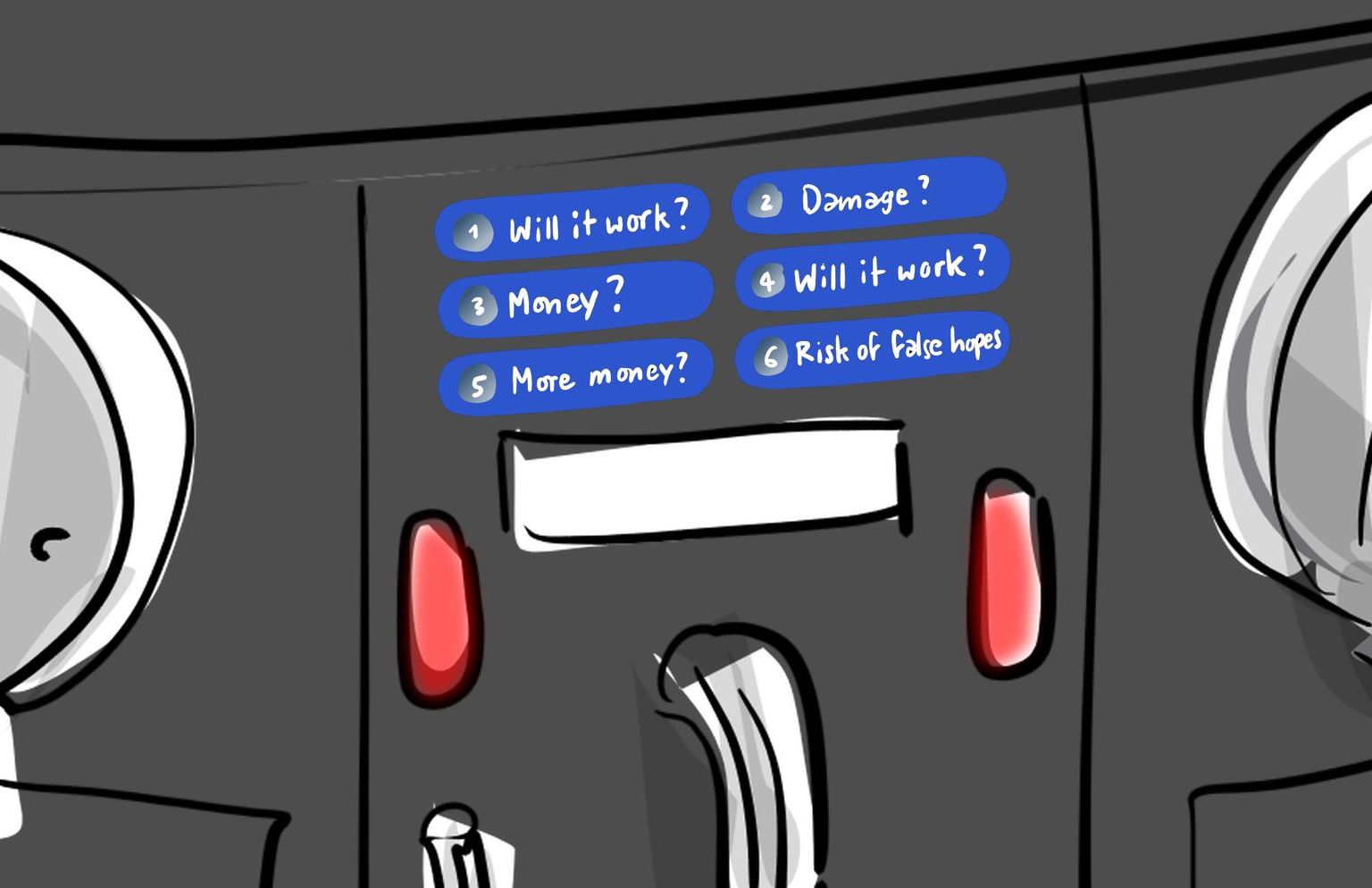
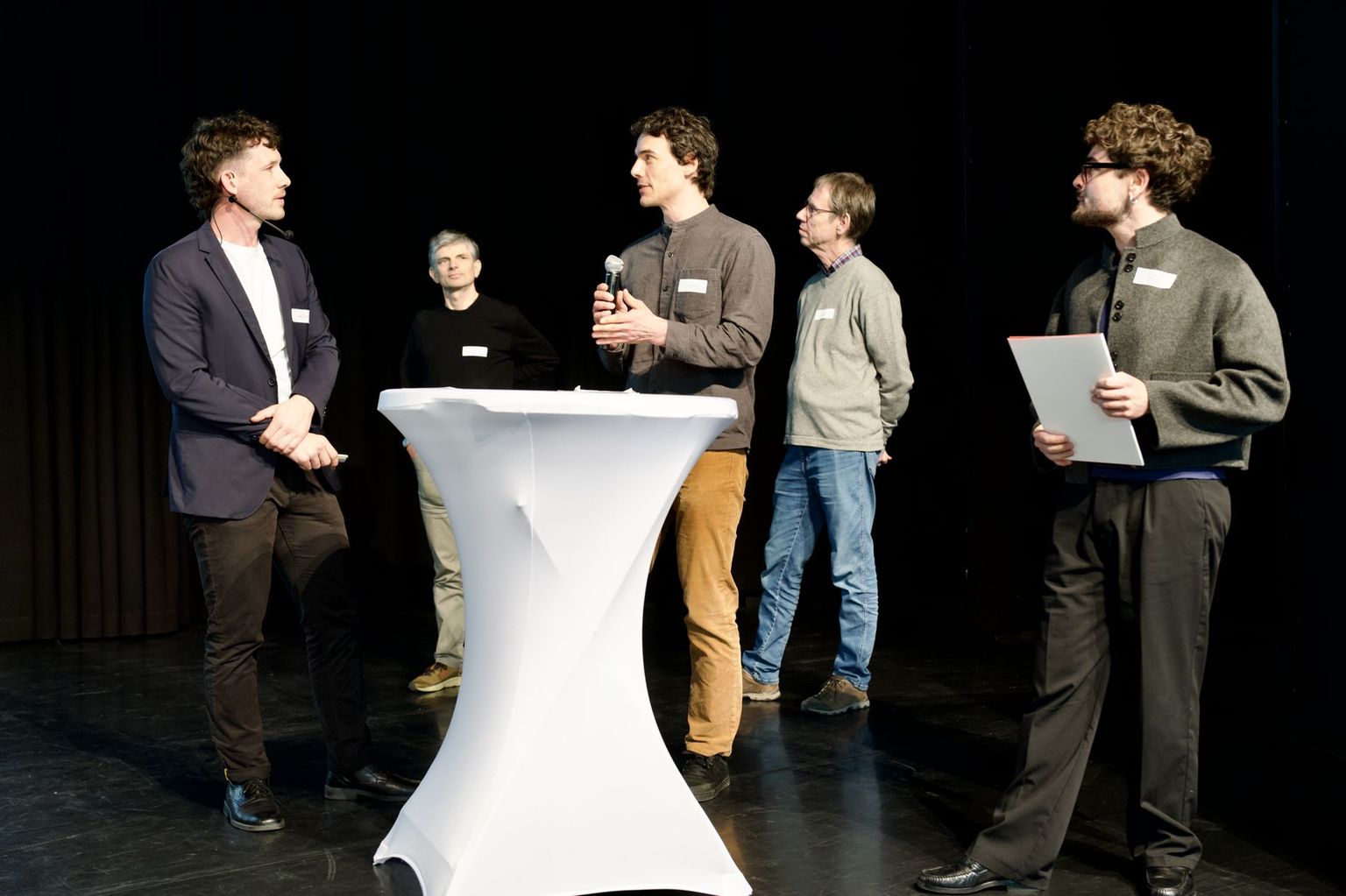
Picking up where we left off before the poster session and break, the Science Talk dives right into the topic of «The State of Disinformation and Political Influence on Research in Switzerland». The panel consisting of Tobias Brosch (UNIGE, member of the ProCli Steering Committee), Viktoria Cologna (Eawag), Toralf Staud (Klimafakten) and Claudia Brühwiler (HSG/Univ. Notre Dame) discuss this topic starting from three theses presented by moderator Nicola Forster. The three theses state that 1) Switzerland has a resilient institutional structure that protects science, 2) that disinformation mainly is the result of a media crisis and a shift from «traditional media» to social media and 3) that the best solution are scientists, but that they need to communicate more clearly and actively to counter disinformation.


After being provided with plenty food for thought, it is time to also nurture the grumbling bellies. After a little bit of waiting in line once again and using the time to socialize, everyone is provided with a yummy vegetarian lunch. This gives the participants a new boost of energy to once again stroll through the foyer to look at the numerous interesting posters.


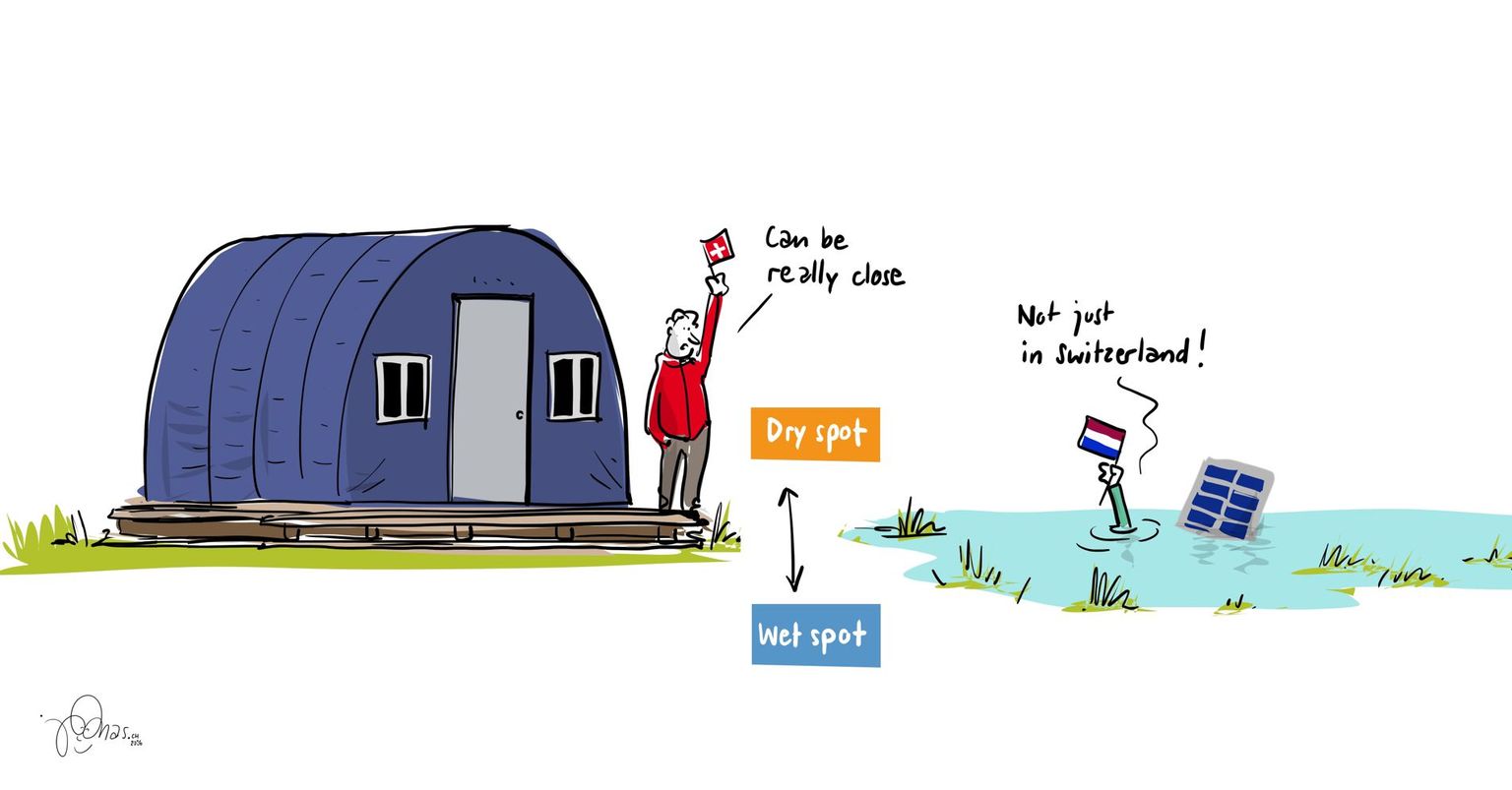
![Wondering where all the funny cartoons in this meeting report come from? The event was accompanied by live cartoonist Jonas Raeber. [https://www.jonasraeber.com/index.html]](http://portal-cdn.scnat.ch/asset/cec763e1-322f-557c-933d-319299ad1775/DSC07932.jpeg?b=2d5daa74-0b9f-5bee-8f28-0e91cc87fe55&v=eb7a5dbe-1a76-5c38-8d61-0a04d7220fd0_100&s=idLEyDI4kGitwgA8A0brDMeH9J2KNeF9nyIpx3LOiTaBs6xYsvAIOvtyjfEyISbtd3rgrhLy00Nj9UbaeI3LHZ7_zj9wMl81NXAcRGPnBFrNyF56pwUaFdQpq9iOEbTxQIYgdzhrONmi4KQmj9Z2KaKsfYpa5TQ8CNIkMPHevR4&t=b1085d3c-fb5f-446e-ae88-ed9d76537838&sc=2 "Wondering where all the funny cartoons in this meeting report come from? The event was accompanied by live cartoonist Jonas Raeber. [https://www.jonasraeber.com/index.html]")
Were you maybe already wondering where the customized cartoons in this report come from? The whole event is accompanied by Jonas Raeber, a live cartoonist, who makes a humorously drawn summary of the keynotes. His interpretation of the first half of the day results in a lot of laughter from the audience and takes a little bit of the heaviness of the topics being discussed.

Gabriela Schaepman-Strub then transports the audience directly to Siberia, where she conducts research. Warming at a pace 3-4 times faster than the global average, the arctic tundra has entered a historically unprecedented state. Schaepman-Strub explains in her keynote what impacts this warming has on the flora there and how this in turn affects global greenhouse gas concentrations.

After Schaepman-Strub’s insight into polar research, it is time for the long-awaited announcement of the winners of the poster contest. The best posters in three categories are awarded a travel grant of 1000 Swiss francs each, which can be used to visit an international research conference. In addition to that, this is the first year where the consortium ETHICH gives out a special mention to a poster concerning the interface of climate change and health. The winner of the special mention gets to present their research at the next ETHICH conference.
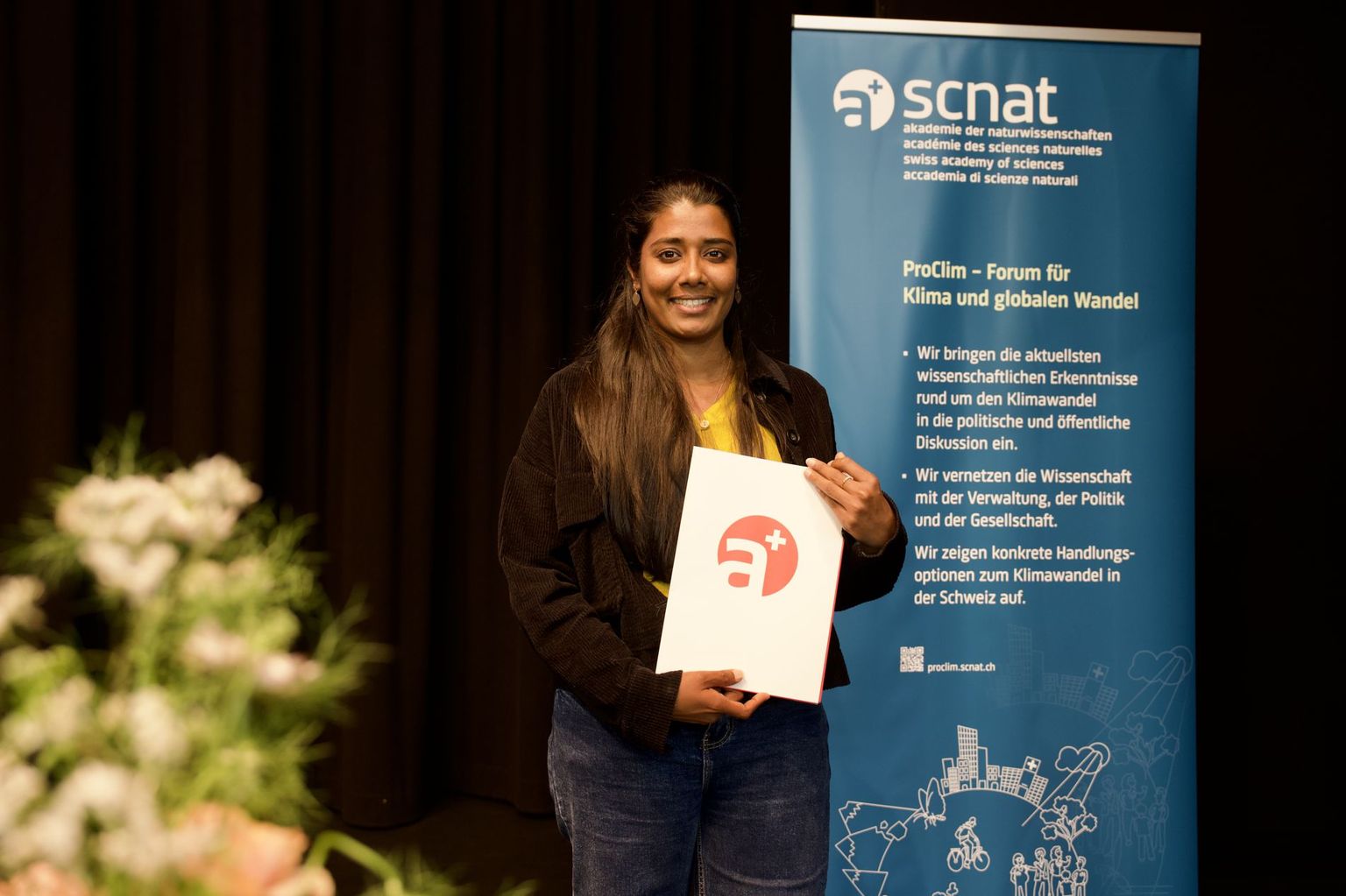
In the category Biosphere / Geosphere, Madushika Sewwandi wins the travel award with her poster titled «Effects of contemporary subsurface microplastic». The poster examines the impact of microplastics on carbon export to the deep ocean. If there is more microplastic, will the ocean be less of a carbon sink? Her research finds that even at higher microplastic concentrations, the impact of it on the carbon export to the deep ocean, and thereby on its long-term carbon sequestration capacity, remains small.

In the category atmosphere / hydrosphere there are even two winners: Lena Fasnacht with the poster «Yesterday’s cloud, tomorrow’s rain» and Pierre Testorf with the title «Northern Hemispheric (NH) Ice Loss: A Hidden Driver of Antarctic Ice Sheet (AIS) Instability».
Fasnacht’s research explores where and how the moisture that arrives on a given time in a certain place has been taken up. To answer these questions, she uses an established method called backwards trajectories to identify how the humidity along these trajectories is changing. Fasnacht aims to extend it by examining how cloud droplets can be internally recycled.
Testorf’s research focuses on global teleconnections between ice sheets. More specifically, it explores how the Northern Hemispheric ice loss leads to local warming. This warming then propagates into the ocean and is transported to the Southern Ocean. Via warm water intrusions and local oscillations, it eventually triggers runaway retreat of the Antarctic Ice Shield in the Southern hemisphere. This uncovers the potential for abrupt, interhemispheric tipping cascades

The winner of the category «Human dimension / sustainability», Oliver Truffer, uses a language model to examine how biodiversity and climate change issues are taken up in the EU Commission. He finds that the increase in proposals on climate change precedes the increase in proposals on biodiversity. He also finds that climate change and biodiversity policy have stayed on the agenda and gained attention despite competing issues, such as economic crises, especially also under the presidency of Ursula von der Leyen. Additionally, the analysis shows that the two issues are increasingly addressed within the same proposals, indicating convergence in policy venues.

Finally, the ETHICH special mention goes to to Alexandra Bürgler with her poster on «Heat stress and implementation of heat protection measures in the care sector in Switzerland». She can showcase her research at the ETHICH consortium.
After all the awards are given out, it is time for the last coffee break of the day. But the event has not come to an end quite yet: Last but certainly not least, Valérie Mason-Delmotte, co-chair of WG I in the IPCC, warns us that not only temperature, but also climate obstruction is rising. She however does not stop at pointing out the challenges that climate research is facing globally, but also names concrete solutions how to address them.


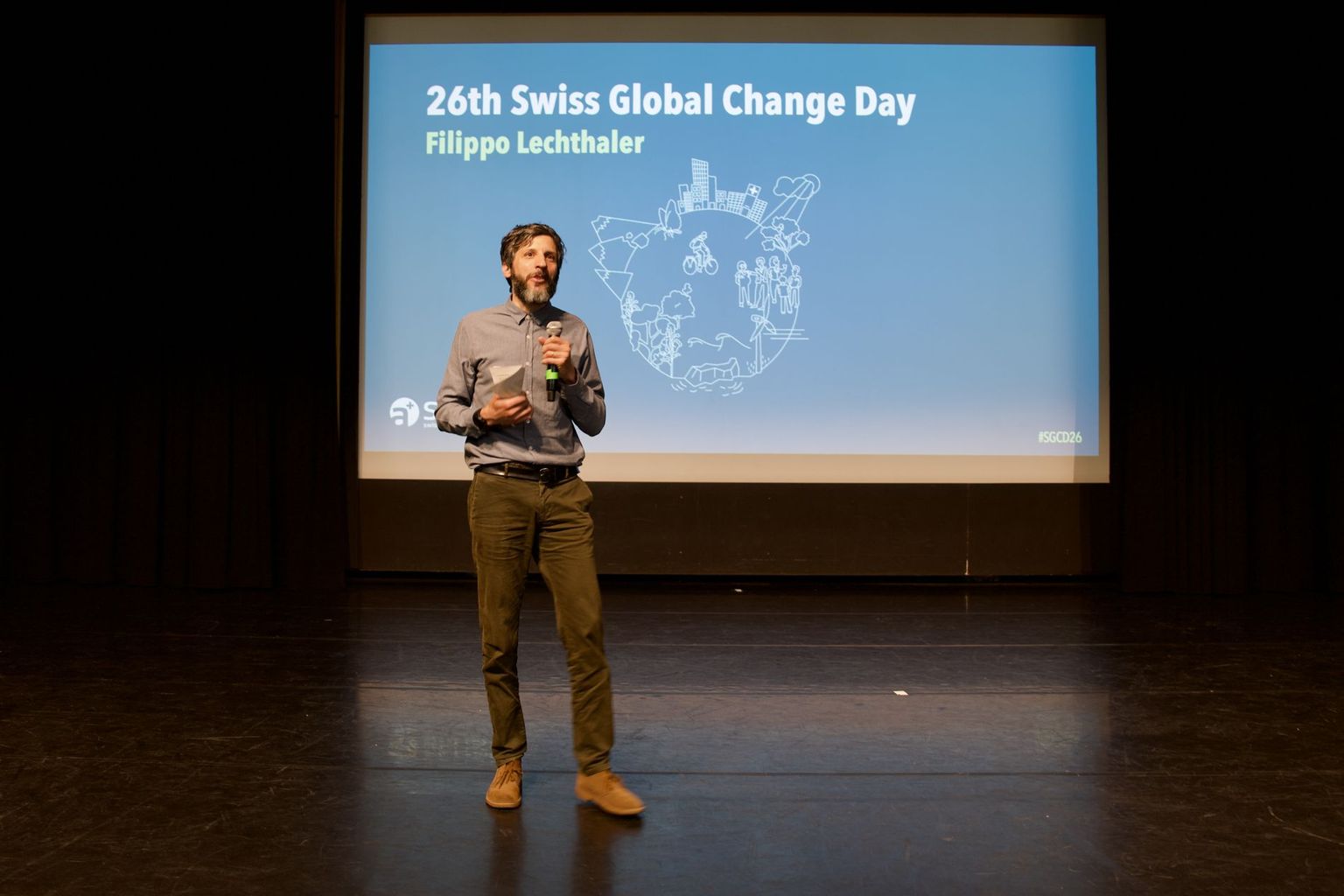
The event comes to an end with a final address by the head of ProClim and head of Platform Science and Policy of the SCNAT, Filippo Lechthaler. He emphasizes the aim of the Swiss Global Change Day to bring together the interdisciplinary research community on climate and the conscious decision not to have a monothematic event. Instead, the event should highlight the latest research findings within climate science in various topics and disciplines. He admits that this year, however, the event was more strongly focused on one topic than it has been in the past. The current global autocratic tendencies, geopolitical tensions and resulting pressures on science are «the elephant in the room», which affects virtually every aspect of climate sciences. It was simply too big to be ignored in any of the keynotes and discussions. But that just proves how science is embedded in a larger sociopolitical context and that we need to take good care of the resilience of our structures and of democracy as a whole in order to ensure independent facts-based climate science for the future.